Skip to content
Le Duc Huynh
ARCHIVE / RESEARCH & CODE5 Works

Projects

A selection of things I've built.

TaskHub / TaskHubVN — Task Marketplace

Full-stack Development · AI ProductJuly 2026

A web-based task marketplace connecting hirers with students and early-career workers for short-term projects, emphasizing clear requirements, progress tracking, and reliable task execution.

  • Deployed Platform: Developed and deployed a usable web-based task marketplace designed around task posting and direct connections between hirers and workers.
  • Workflow & Scoping: Structured milestone-based progress tracking and designed acceptance criteria to clarify expected deliverables before work begins.

Planned Features & Future Explorations:

  • Escrow-Based Payments: Explored as a mechanism for improving trust and contract reliability between parties.
  • AI-Assisted Verification: Identified AI task checking and dispute analysis as potential capabilities for future development.
  • Next.js
  • Supabase
  • AWS
  • Full-stack Web Development
  • AI Product Design

DeployedLive Usable Web Platform

Visual preview for TaskHub / TaskHubVN — Task Marketplace

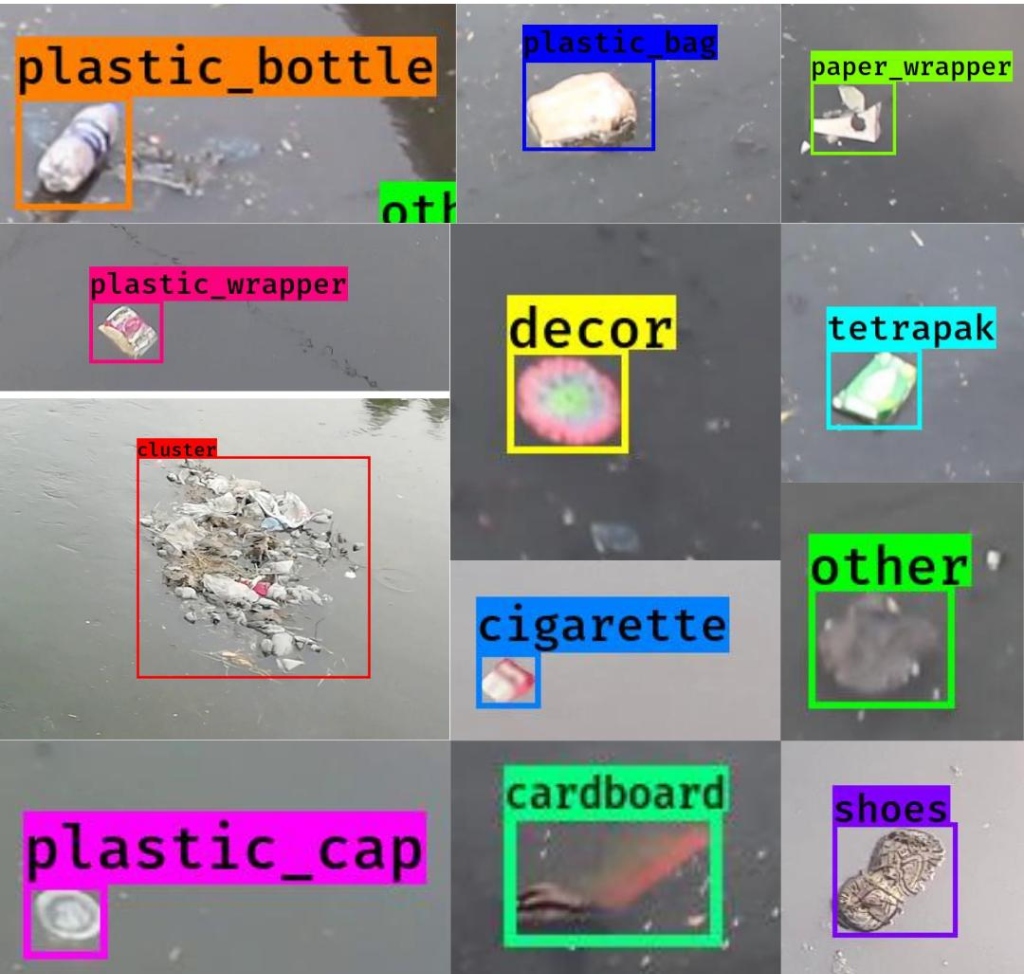
Waste / Trash Detection using YOLO26s

Computer Vision · Object DetectionFebruary 2026

An object detection model developed and evaluated for identifying waste in images, exploring challenges including data imbalance and occlusion.

  • Dataset Engineering: Prepared dataset configurations and training, validation, and test splits using waste detection datasets from TACO and Roboflow Universe. Investigated the effect of combining datasets on detection performance.
  • Model Evaluation: Trained and evaluated the confirmed YOLO26s object detection model across Precision, Recall, mAP@50, and mAP@50–95.

Selected Experimental Results:

  • Combined-dataset experiment: Precision: 0.910 · Recall: 0.750 · mAP@50: 0.839 · mAP@50–95: 0.740
  • Occlusion-related experiment: Precision: 0.885 · Recall: 0.745 · mAP@50: 0.825
  • Python
  • YOLO26s
  • TACO
  • Roboflow
  • Object Detection
  • Dataset Preparation
  • Model Evaluation

0.839mAP@50 (Combined Dataset)

Visual preview for Waste / Trash Detection using YOLO26s

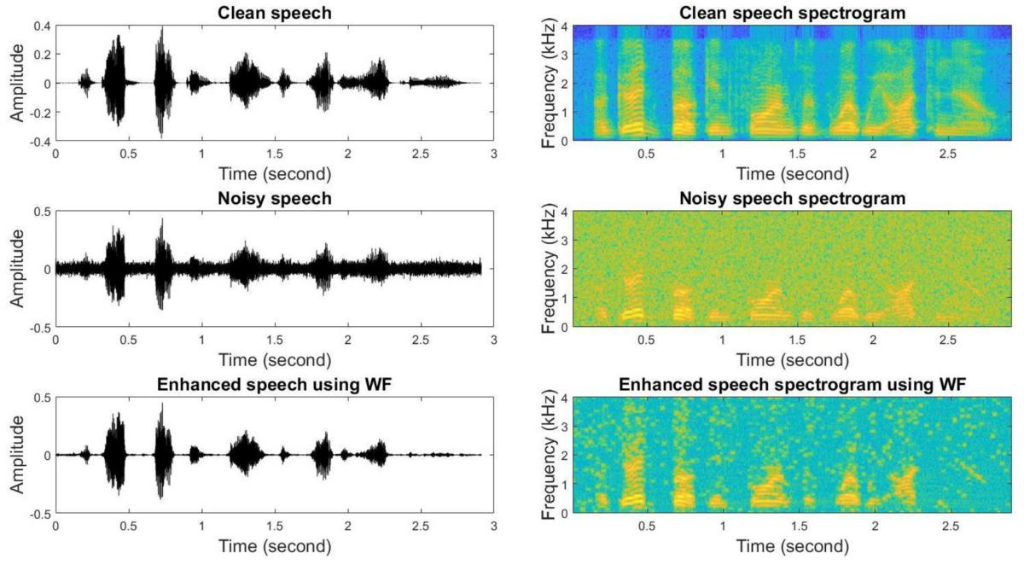
Robust Speech Enhancement using DCCRN

Speech AI · Audio Signal Processing · Deep LearningFebruary 2026

A deep learning-based speech enhancement system developed to improve noisy speech signals and evaluated against a traditional signal-processing baseline.

  • Architecture: Personally implemented the Deep Complex Convolution Recurrent Network (DCCRN) architecture using PyTorch.
  • Training Setup: Trained on the VoiceBank-DEMAND dataset at a 16 kHz sampling rate using 4-second audio segments, batch size 32, and 20 epochs.
  • Evaluation: Evaluated and compared noisy input, Wiener filtering, and DCCRN using PESQ, STOI, and SI-SNR.
Method PESQ STOI SI-SNR
Noisy input 2.207 0.932 9.28
Wiener filter 2.395 0.931 12.23
DCCRN 2.508 0.923 16.22

Note on results: DCCRN achieved higher PESQ (2.508) and SI-SNR (16.22 dB) than the baselines, while its STOI (0.923) was slightly lower than the noisy input (0.932).

  • Python
  • PyTorch
  • DCCRN
  • VoiceBank-DEMAND
  • Digital Signal Processing
  • PESQ
  • STOI
  • SI-SNR

16.22 dBSI-SNR vs 9.28 dB Noisy Baseline

Visual preview for Robust Speech Enhancement using DCCRN

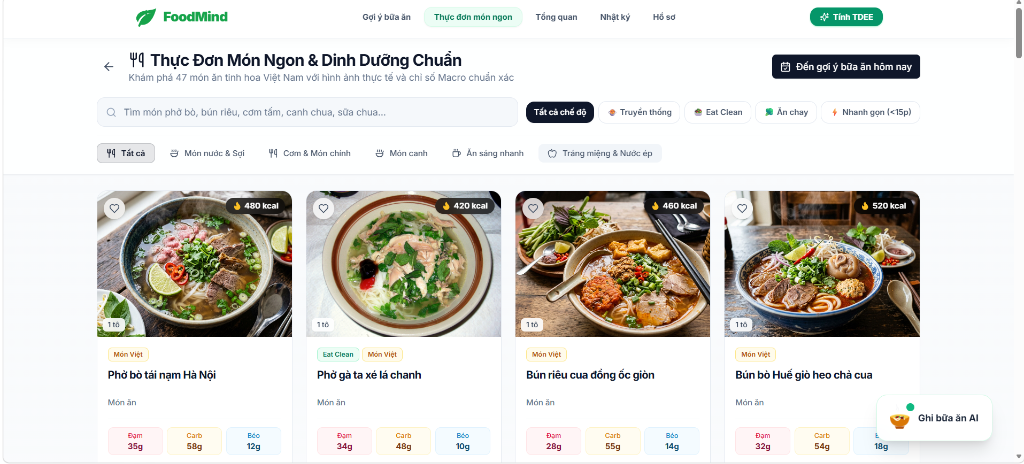
FoodMind — AI-Powered Food Recommendation

AI ApplicationNovember 2025

An AI-powered food recommendation application built to help users select meals based on daily calorie requirements and personal fitness goals.

  • AI Integration: Integrated the Claude API to provide intelligent meal recommendations tailored to weight maintenance, weight gain, and weight loss goals.
  • Calorie Planning: Incorporated daily calorie targets and meal-level calorie allocation into the meal-planning workflow organized around breakfast, lunch, and dinner.
  • Frontend Interface: Developed the responsive user interface using React and JavaScript.
  • React
  • JavaScript
  • Claude API
  • AI Integration
  • Calorie Tracking
Visual preview for FoodMind — AI-Powered Food Recommendation

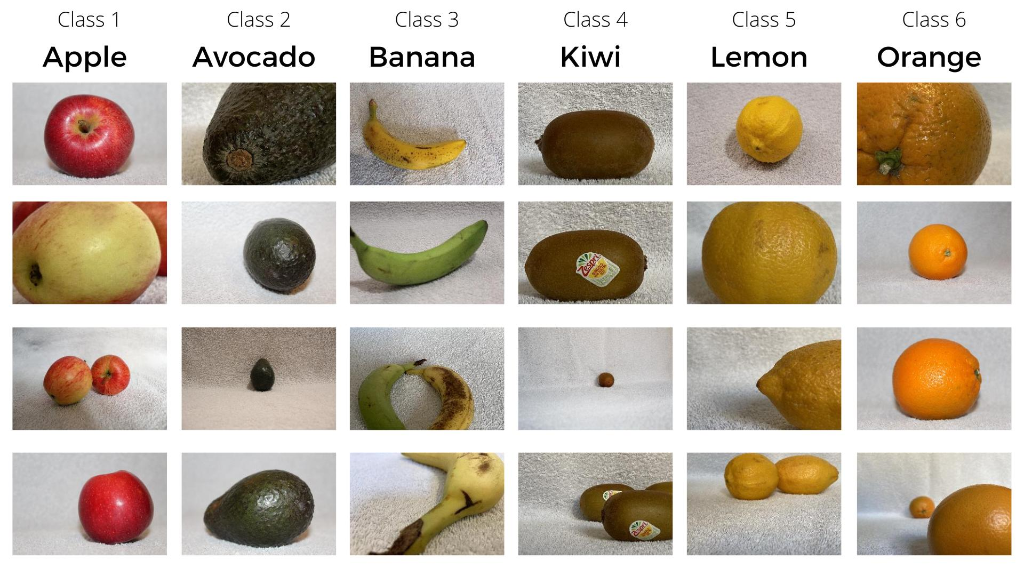
Fruit Image Classification using ResNet50

Computer Vision · Deep LearningFebruary 2025

An image classification model developed to identify fruit categories using deep learning.

  • Architecture: Pretrained ResNet50 backbone for visual feature extraction with most backbone layers frozen to retain pretrained visual representations and reduce trainable parameters.
  • Evaluation: Monitored validation performance during training, achieving 82.91% validation accuracy and a validation loss of 0.7556.
  • ResNet50
  • Transfer Learning
  • Deep Learning
  • Computer Vision

82.91%Validation Accuracy (Loss: 0.7556)

Visual preview for Fruit Image Classification using ResNet50